
NDIS Services in City of Casey: A Family Local Guide (2026)
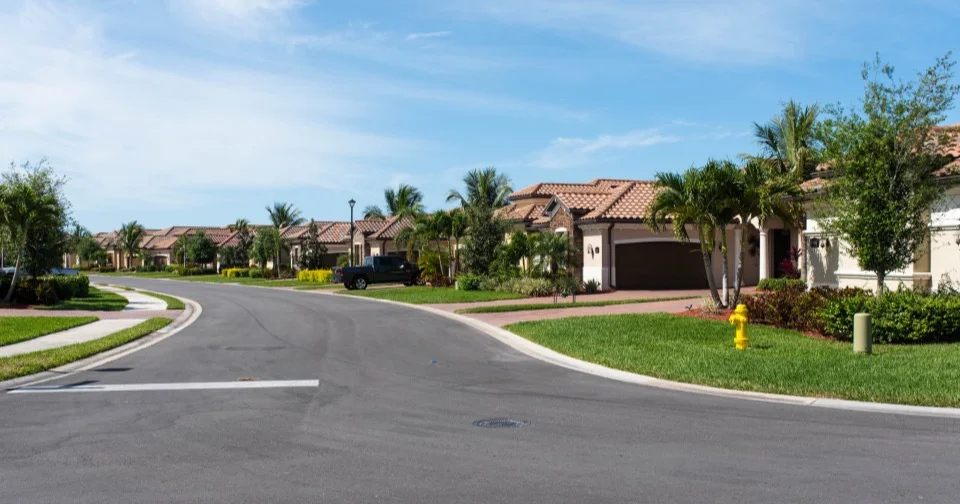
If you’re looking for NDIS services around Cranbourne, Narre Warren, Berwick or anywhere in Melbourne’s south-east growth corridor, this guide is your local map — which suburbs make up City of Casey, where the services actually are, how to find providers near you, and how to choose one you’ll still like in a year.
We’re a family-run NDIS provider based in Cranbourne ourselves, so this is written from the inside: the real geography, the real transport, the real questions families ask at our kitchen table.
Key Takeaways
- City of Casey covers Cranbourne (the NDIS hub of the area), Narre Warren, Berwick, Hampton Park, Endeavour Hills, Clyde, Doveton and more — with Pakenham just over the border in Cardinia Shire, not Casey.
- Most NDIS services in Casey cluster around Cranbourne and Narre Warren — but supports are delivered in your home and community, not at an “NDIS office.”
- To find providers: the official NDIS provider finder, local directories, your LAC — and this guide’s provider-choosing checklist.
- The main service families: SIL, SDA, respite/STA, community access (what we do) plus plan managers, support coordinators and allied health.
- The Cranbourne and Pakenham train lines run through the heart of Casey — a real factor in choosing SIL or community access supports.
What area does “City of Casey” cover?
City of Casey is one of Victoria’s largest municipalities by population, stretching across Melbourne’s south-east. The suburbs families most often ask about:
- Cranbourne (including Cranbourne North, East, West and South, and Botanic Ridge) — the area’s main hub, and our home base
- Narre Warren (and Narre Warren South/East) — home to Fountain Gate, the region’s biggest shopping centre
- Berwick — established, leafy, with the area’s major hospital
- Hampton Park · Doveton · Endeavour Hills — the older northern suburbs
- Clyde · Clyde North · Botanic Ridge · Junction Village · Devon Meadows — the fast-growing south
- Lyndhurst · Sandhurst · Skye — the western edge
Just over the border: Pakenham, Officer and the rural fringe sit in Cardinia Shire, not Casey — but the service area overlaps heavily, and most Cranbourne providers (us included) work across both.
Where NDIS services in Casey actually are
Here’s the thing that surprises families: there’s no single “NDIS centre” to visit. The NDIS itself runs through planners, Local Area Coordinators (LACs) and partners — and the services are delivered by providers in your own home and community.
The practical map:
- Cranbourne — the densest cluster of disability providers in the area, plus the Council’s community services, libraries and the Balla Balla Community Centre
- Narre Warren — major provider presence around Fountain Gate, plus Casey Council services
- Berwick — allied health density (therapists, specialists) near the hospital precinct
- Your own home — where SIL, community access and most core supports actually happen
To find the NDIS’s own contact points for the area, the official NDIS office and partner finder on ndis.gov.au lists current locations and partners covering Casey — worth checking, as partnerships update.
The train lines matter more than you’d think
Both the Cranbourne line and the Pakenham line run straight through Casey — Berwick, Narre Warren, Cranbourne, Hampton Park stations and more. For participants, this matters twice:
- Community access goals often include independent train travel — the line is the practice ground.
- SIL housing choices near a station open up the whole region for work, study and social life.
When families tour our homes, “how far to the station?” is one of the first questions — and rightly so.
The services available in Casey (the honest map)
What we provide (family-run, from Cranbourne):
- Supported Independent Living (SIL) — everyday support in shared or individual homes
- Specialist Disability Accommodation (SDA) — enrolled specialist housing (real homes in Cranbourne and Botanic Ridge)
- Respite & Short Term Accommodation — supported short stays that give carers a break
- Community Access — support to take part in everything the area offers (bowls, gyms, libraries, gardens, volunteering)
What other providers in Casey offer: plan management (the money side — explained here), support coordination, occupational therapy and allied health, specialist disability transport, and day programs. Different providers, different jobs — a plan usually involves several.
How to choose a provider in Casey (the 6-question kitchen test)
The full question list lives in our choosing-an-NDIS-provider guide, but the six that matter most locally:
- Can I meet the actual people who’ll provide support — not just the sales call?
- How consistent are your teams? (In a growth corridor, staff churn is endemic — ask how they keep people.)
- Where are your homes/services, really? (Ask for addresses. “The area” isn’t an answer.)
- Are you registered? (Check the number — ours is 4050138437 — via the registered vs unregistered guide.)
- Who answers the phone? (A local provider should be reachable, directly.)
- Will you show me before we sign? (Homes especially — visit first, always.)
Suburb notes for families choosing supports
- Cranbourne / Cranbourne East & West — most service-dense; our own SIL and SDA homes are here
- Botanic Ridge — quieter, newer family streets; some of our SDA homes
- Narre Warren — transport hub (station + Fountain Gate); strong for community access variety
- Berwick — closest to the hospital precinct and allied health
- Clyde / Clyde North — growing fast; fewer providers physically located there, but most (like us) travel to you
- Hampton Park / Doveton — established community services and good rail access
Frequently Asked Questions
Which suburbs are in the City of Casey?
Cranbourne (and its North/East/West/South), Narre Warren (and South/East), Berwick, Hampton Park, Endeavour Hills, Doveton, Clyde, Clyde North, Botanic Ridge, Lyndhurst, Junction Village and more. Casey is one of Victoria’s most populous municipalities.
Is Pakenham in the City of Casey?
No — Pakenham (and Officer) are in Cardinia Shire, Casey’s south-eastern neighbour. In practice the service areas overlap heavily, and most Cranbourne-based providers work across the border.
Where is the NDIS office for City of Casey?
The NDIS doesn’t run one shopfront for the area — access runs through NDIA contact points and local partners (LACs), which are listed on the official office-and-partner finder at ndis.gov.au. Services themselves are delivered by providers in your home and community.
What NDIS services are available in Cranbourne?
The full range: SIL, SDA, respite/STA and community access (what we provide), plus plan managers, support coordinators, allied health, transport providers and day programs from other local providers. Cranbourne is the densest service cluster in Casey.
How do I find disability services near me in Casey?
Three reliable routes: the official NDIS provider finder (search by suburb and service), local directories and council services, and your LAC. Then apply the six-question kitchen test above before signing anything.
Does the City of Casey council provide disability services?
Casey Council runs community, inclusion and youth programs and can connect residents to services — but NDIS-funded supports come through registered providers. The council’s community directory is a good starting point for both.
Which areas do you cover outside Cranbourne?
Across City of Casey and neighbouring areas — our supports are delivered in your home and community wherever you are in the region. Start a conversation here.
Exploring your specific suburb? We now have dedicated local pages: NDIS Provider Narre Warren and NDIS Provider Pakenham.
A note from us
Local matters in this work. The support worker who knows which café is quiet at 10am, which station has the lift, which pool does the accessible lanes — that knowledge doesn’t come from a manual. It comes from living and working here. We’re Cranbourne-born and based, family-run, and reachable directly — come and meet us.
Local facts current as at October 2026. NDIS processes change — confirm current details at ndis.gov.au or 1800 800 110.