
What is SDA Housing? NDIS Specialist Disability Accommodation Explained (2026)
Last updated: September 2026 | By Mo & Kaay Vig | 9 min read
SDA housing is NDIS-funded housing designed for people with extreme functional impairment or very high support needs. People also call it SDA accommodation or specialist disability housing — same thing. The letters stand for Specialist Disability Accommodation, and the definition matters, because SDA is the only kind of housing the NDIS actually funds. As the official NDIS guidance puts it plainly: “Other than SDA, we don’t fund housing” (NDIS, current as at 1 July 2026).
That single sentence answers the question most families arrive with — does NDIS give you housing? — and explains why the phrase “NDIS housing” in practice almost always leads here. This guide explains what SDA housing is, who qualifies, the four types of SDA homes, who pays for what, how to find vacancies, and what living in one actually looks like. Where SDA fits alongside SIL, our guide to SIL vs SDA: what’s the difference? covers it in depth.
Key Takeaways
– SDA housing = NDIS-funded specialist housing for participants with extreme functional impairment or very high support needs. It’s the only housing the NDIS funds — everything else is renting, owning, or mainstream/social housing.
– The NDIS pays the SDA provider; you pay rent and bills. The official arrangement: “SDA funding pays the SDA provider, SIL funding pays for your carers and you pay the rent and bills.”
– Four design categories: Improved Liveability, Fully Accessible, High Physical Support and Robust — every enrolled SDA dwelling (an “SDA home”) belongs to one.
– Eligibility is assessed by the NDIA — it’s written into the plan as an SDA funding category, not automatic.
– Find vacancies with the official SDA finder, searchable by location, building type and maximum price.
What does SDA mean — and what counts as an SDA home?
SDA stands for Specialist Disability Accommodation. The NDIS defines it as “a range of housing to support people with extreme functional impairment or very high support needs” — homes designed with features that meet disability support needs, such as wide doorways, wheelchair-accessible kitchen sinks, ceiling hoists or button-operated doors (NDIS, retrieved 12 September 2026).
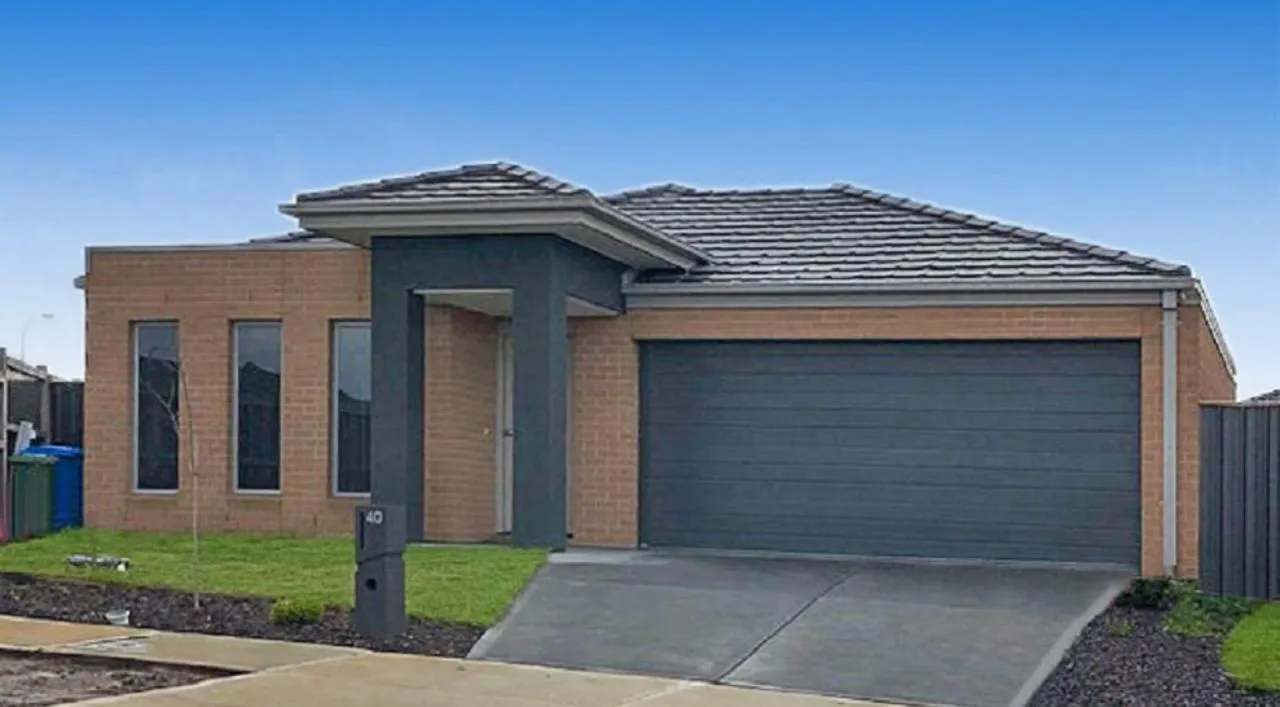
Not every accessible house is an SDA home. A dwelling only counts as SDA when it has been enrolled by a registered provider — a provider registered with the NDIS Quality and Safeguards Commission applies to enrol the home, it must meet the SDA standards, and once approved it’s officially an “SDA dwelling.” SDA homes can be houses, apartments, villas, duplexes or townhouses. Usually they’re shared by a small number of residents, each with their own private bedroom.
Just as important is what SDA is not: it does not include personal care, Supported Independent Living (SIL), individualised living options (ILO) or assistive technology. SDA is the bricks and design; the support inside it is funded separately.
Is SDA the same as NDIS housing?
In practice, yes — SDA is the NDIS’s housing category. When people search “NDIS housing” or talk about an “NDIS house,” they almost always mean SDA housing, because it’s the only housing the scheme funds. The NDIS is clear on this point: most participants house themselves the way everyone else does — renting, owning, or through social housing — and the NDIS steps in with specialist housing funding only where disability-related needs are extreme or very high.
The difference in the words matters for one practical reason: it tells you which plan category to look for. “NDIS housing” support appears in a plan as Specialist Disability Accommodation funding, not as a general housing benefit.
The four types of SDA homes (design categories)
Every enrolled SDA dwelling belongs to one of four design categories, set by the NDIS:
- Improved Liveability — better physical access plus features for people with sensory, intellectual or cognitive impairment: high-visibility walls and floors, or layouts that let support workers see the person easily.
- Fully Accessible — a high level of physical access for people with significant physical challenges, such as wheelchair users at home.
- High Physical Support — the highest level of physical access and features: ceiling hoists, backup power supply, home automation and communication technology.
- Robust — very strong, durable homes built to be safe for the person and others, suited to people who need support with complex and challenging behaviours, and designed to reduce repairs and maintenance.
The category isn’t about quality tiers — it’s about matching the home’s design to the person’s specific needs. A participant’s plan names the design category (and sometimes the building type) they’re approved for.
Who qualifies for SDA housing? (SDA eligibility)
SDA eligibility is determined by the NDIA, for participants with extreme functional impairment or very high support needs, where other home and living supports don’t meet those needs. In practice the assessment looks at:
- the person’s functional impairment and support needs,
- whether mainstream or other home-and-living options have been tried or ruled out,
- and how a specialist dwelling would let the person’s other supports be delivered better or more safely — for example, reinforced ceilings that make a ceiling hoist possible.
If approved, SDA is included in the plan as a funding category. If you’re unsure whether the person you support would qualify, the right first step is a conversation with their my NDIS contact or an experienced provider — the pathway is much smoother when someone walks you through it before the planning conversation.
Who pays for SDA — and how does the funding work?
This is the question families ask most, and the official arrangement is clearer than people expect:
- The NDIS pays the SDA provider for the dwelling, through the SDA funding in the participant’s plan, at rates set out in the NDIS’s SDA pricing arrangements (which vary by design category, building type and location).
- The participant pays a reasonable rent contribution directly to the SDA provider, plus day-to-day living costs like electricity. The rent a provider may charge is capped by the maximum reasonable rent contribution (MRRC) in those pricing arrangements.
- Support inside the home is separate. Most people in SDA hold SIL funding too — the NDIS summarises the standard arrangement in one line: “SDA funding pays the SDA provider, SIL funding pays for your carers and you pay the rent and bills.”
A written service agreement between the participant and the SDA provider is required, and the provider must be recorded on the plan as a “my provider.”
How to find SDA homes and vacancies
The official route is the SDA finder on the NDIS website — available to participants with SDA funding, searchable by location, building type and maximum price per year. Beyond it:
- referrals from a support coordinator or recovery coach,
- recommendations from friends and family,
- and direct contact with registered SDA housing providers, who know their own pipelines before listings go public.
One caution worth naming: search results for SDA housing mix together participant-facing homes and investor-facing marketing (“SDA housing for sale,” SDA investment returns). If you’re a family, you’re looking for a tenancy in an enrolled dwelling — not a property to buy. The investor market exists because property developers build and enrol SDA homes for the NDIS to fund; participants rent them.
SDA housing in Victoria (Melbourne and beyond)
Victoria has a growing SDA supply — including commitments under the state’s Big Housing Build, which funds Specialist Disability Accommodation dwellings alongside social housing (Homes Victoria). For families searching SDA Melbourne or SDA Victoria, the practical picture: enrolled homes cluster around Melbourne’s growth corridors and regional centres, and availability moves quickly because SDA vacancies are limited nationally.
If you’re searching in Melbourne’s south-east — Cranbourne, Casey, Cardinia and surrounding areas — talk to providers directly about current and upcoming dwellings: much of the real availability never reaches a public listing. Our own SDA homes sit in Cranbourne and Botanic Ridge, and we’re happy to point families in the right direction even when our homes aren’t the right fit. You can see our SDA housing in Cranbourne and Botanic Ridge here.
Living in an SDA home: what it’s actually like
Day to day, an SDA home is a home. Most are shared by a small number of residents, each with a private bedroom; some participants live alone where that’s the best fit. What makes it “specialist” is invisible most of the time — the doorway widths, the hoist tracking, the robust finishes, the backup power — until the moment it’s exactly what makes independence possible.
And most people in SDA live there with support funded alongside: SIL for day-to-day help, respite and short term accommodation for breaks, community access for life outside. You can read how the pieces combine in our guide to SIL vs SDA, or about respite and short term accommodation.
Frequently Asked Questions
What is SDA housing?
SDA housing is NDIS-funded Specialist Disability Accommodation — purpose-built or adapted homes for people with extreme functional impairment or very high support needs, enrolled by registered providers and paid for through SDA funding in an NDIS plan.
What does SDA mean?
SDA stands for Specialist Disability Accommodation — the NDIS category for specialist disability housing.
What does NDIS stand for?
National Disability Insurance Scheme — Australia’s national scheme funding disability supports, including SDA housing.
What does “NDIS house” mean — is SDA the same as NDIS housing?
Yes, in practice. SDA is the only housing the NDIS funds, so “NDIS housing” and “NDIS house” almost always mean SDA housing. Most other housing is rented, owned, or social housing.
Does NDIS give you housing?
Only in the SDA sense. The NDIS funds Specialist Disability Accommodation for eligible participants; outside SDA, it doesn’t fund housing — participants rent, own, or use social/mainstream housing options.
What is the difference between SIL and SDA?
SDA funds the specialist home; SIL funds the day-to-day support inside it. They’re assessed separately and most people in SDA also hold SIL. Our full guide: SIL vs SDA.
Who qualifies for SDA?
Participants with extreme functional impairment or very high support needs, assessed by the NDIA, where other home and living supports can’t meet those needs and a specialist dwelling would deliver their other supports better or more safely.
What are the four types of SDA homes?
Improved Liveability (sensory, intellectual or cognitive), Fully Accessible (high physical access), High Physical Support (hoists, backup power, automation) and Robust (strong, safe, low-maintenance design). Dwellings can be houses, apartments, villas, duplexes or townhouses.
Who pays for SDA?
The NDIS pays the SDA provider through the SDA funding in the participant’s plan. The participant pays a reasonable rent contribution and their own bills.
How much does NDIS pay for accommodation?
For eligible participants, the NDIS pays SDA provider rates set by the SDA pricing arrangements — varying by design category, building type, and location. The participant’s own costs are the rent contribution (capped by the MRRC) and bills.
Do you pay rent in SDA housing?
Yes — a reasonable rent contribution paid directly to the SDA provider (capped at the maximum reasonable rent contribution), plus day-to-day costs like electricity. Details belong in your service agreement.
How does SDA funding work?
Providers enrol qualifying homes as SDA dwellings; the NDIS pays them via the participant’s plan; the participant signs a service agreement, records them as a “my provider,” pays rent and bills. Support inside the home (like SIL) is funded separately.
How do I find SDA vacancies?
Start with the official SDA finder (searchable by location, building type and max price), then ask support coordinators and contact registered SDA providers directly — much of the real availability is never publicly listed.
Can you live in SDA without SIL?
It’s unusual but possible — SDA and SIL are separate funding categories. Because SDA is for people with very high support needs, most residents also hold SIL or another in-home support. See SIL vs SDA.
How do I get SDA added to my NDIS plan?
Talk to your my NDIS contact, gather evidence of your functional impairment and support needs, show why other housing options don’t meet them, and ask for an SDA assessment. If approved, SDA appears as a funding category in your plan.
Can you buy SDA housing?
Families don’t buy SDA homes — participants rent enrolled SDA dwellings. The “SDA for sale” market is for property investors who build and enrol homes for the NDIS to fund.
The takeaway
SDA housing is the NDIS’s one housing category — specialist homes for the people who need them most, funded through the plan, lived in with rent and bills like any home. Know the four design categories, tie the request to real evidence at planning time, and use the SDA finder plus direct provider contact when searching. Comparing the older shared-living model? Our SIL vs group home guide explains what changed.
If you’re exploring SDA housing in Melbourne’s south-east, we provide SDA in Cranbourne and Botanic Ridge alongside SIL, respite and community access — talk to Mo or Kaay directly; you’ll reach the founders, not a call centre.
Let’s talk about SDA housing
Sources: NDIS, What is specialist disability accommodation (SDA) (ndis.gov.au, current as at 1 July 2026, retrieved 12 September 2026) — definition, design categories, eligibility, provider payment, rent contribution, SDA finder. Homes Victoria, Specialist Disability Accommodation | Big Housing Build (homes.vic.gov.au) — Victorian SDA supply context.
Empower and Shine provides Supported Independent Living (SIL), Specialist Disability Accommodation (SDA), Respite/Short Term Accommodation, and Community Access services to NDIS participants with existing funding. We welcome self-managed, plan-managed, and NDIA-managed participants. NDIS Registration Number: 4050138437.